

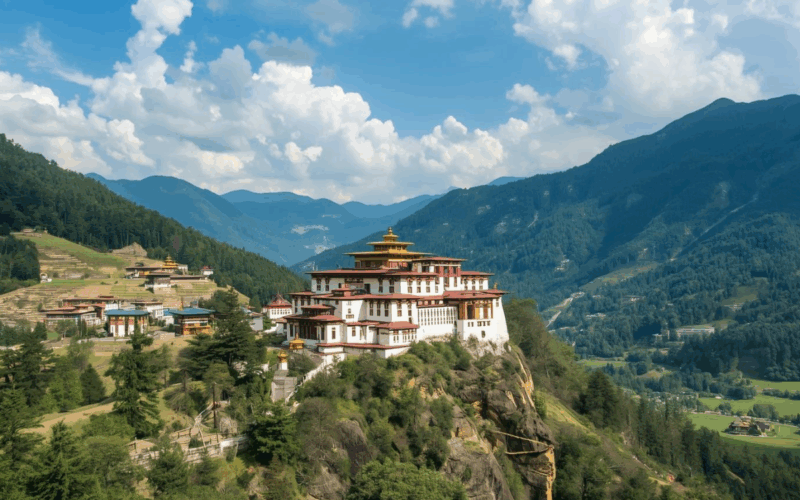
Planning to Travel to Bhutan from Australia is not just about booking flights and packing your bags. It is the beginning of a journey into one of the world’s most enchanting and carefully preserved destinations. Bhutan, often called the last great Himalayan kingdom, is a place where snow-capped peaks meet emerald forests, and where ancient monasteries sit quietly above valleys steeped in living tradition. Every moment in Bhutan is guided by a deep respect for nature and a culture that values harmony over haste.
Because the country is so deeply connected to its environment, the time of year you choose to visit can shape your entire experience. Each season paints Bhutan in a different light literally and culturally. Spring offers blooming landscapes filled with colour and energy, while autumn welcomes travellers with clear skies perfect for trekking and photography. Summer reveals the country’s lush, monsoon-kissed beauty, while winter provides serene mountain views and fewer crowds.
For Australians mapping out their ideal adventure, understanding these seasonal nuances is essential. Weather, festivals, outdoor activities, and even travel costs can vary widely throughout the year. Many travellers also seek guidance from the Best Bhutan Travel Agency to match their travel preferences with the perfect season, whether they prioritise vibrant cultural celebrations, peaceful nature trails, or breathtaking Himalayan panoramas.
By knowing what each season brings, you can align your visit with the experiences you value most. In this guide, we explore the best times for Australians to visit Bhutan, helping you make an informed and meaningful choice for your journey. Whether you are planning your first visit or returning for a deeper connection, Bhutan promises a season that will captivate your senses and stay with you long after you return home.
Why Timing Matters When Visiting Bhutan
Timing your visit to Bhutan is one of the most important decisions you can make, because the country’s environment shifts dramatically with altitude and the rhythms of the Himalayas. While the southern regions enjoy warm, subtropical weather, the landscape changes quickly as you travel north, rising into crisp alpine valleys and then into icy mountain terrain. This natural contrast creates sweeping differences in climate throughout the year differences that shape everything from what you’ll see to how you’ll move around the country. For Australians, who often experience more stable seasonal patterns, these variations can feel both surprising and exhilarating.
Why timing matters:
Visibility
Bhutan’s mountain views are never the same from one season to the next. Some months reveal the Himalayas in breathtaking clarity, with sharp blue skies and snowy peaks stretching endlessly across the horizon. At other times, clouds, mist or monsoon moisture soften the landscape, hiding the mountains but creating a different, dreamlike mood. Choosing the right time to visit ensures the scenery aligns with what you hope to experience.
Trekking conditions
The condition of Bhutan’s trails changes dramatically with the seasons. In spring and autumn, paths are usually dry, stable and ideal for trekking. During the monsoon months, trails can become muddy, slippery or occasionally washed out, making longer treks more challenging. In winter, snow transforms the high altitude routes into dazzling white landscapes, though some treks may be inaccessible. Matching your visit to the trails you want to explore is key.
Festival schedules
Bhutan’s iconic tshechus don’t run year round they follow a sacred lunar calendar. These festivals, filled with mask dances, spiritual rituals and vibrant colours, are highlights for many travellers. If witnessing one is on your bucket list, your travel dates will need to align with the specific festival schedule, which varies by region and season.
Crowds and costs
Bhutan experiences peak tourism during certain months, especially in autumn and spring. These periods bring more visitors, higher demand for hotels and flights, and a lively atmosphere. Off-peak seasons, like summer and winter, offer quieter experiences, more availability and sometimes better value. Your preferred travel style lively or peaceful can help determine the best season.
Comfort
For Australians not used to colder climates, Bhutan’s winter temperatures, especially in areas above 2,000 metres, can come as a surprise. Even in milder seasons, mornings and evenings can be noticeably cooler than what many Australians are accustomed to. Selecting a season that matches your comfort level allows you to enjoy the journey without weather-related stress.
In essence, the Bhutan you experience in spring is not the same Bhutan you’ll find in autumn, summer or winter. Each season reshapes the country’s atmosphere, scenery and cultural rhythm. By understanding these changes, you can choose a time that brings your vision of Bhutan to life ensuring your journey feels exactly as magical, adventurous or peaceful as you imagined.
Understanding Bhutan’s Seasons
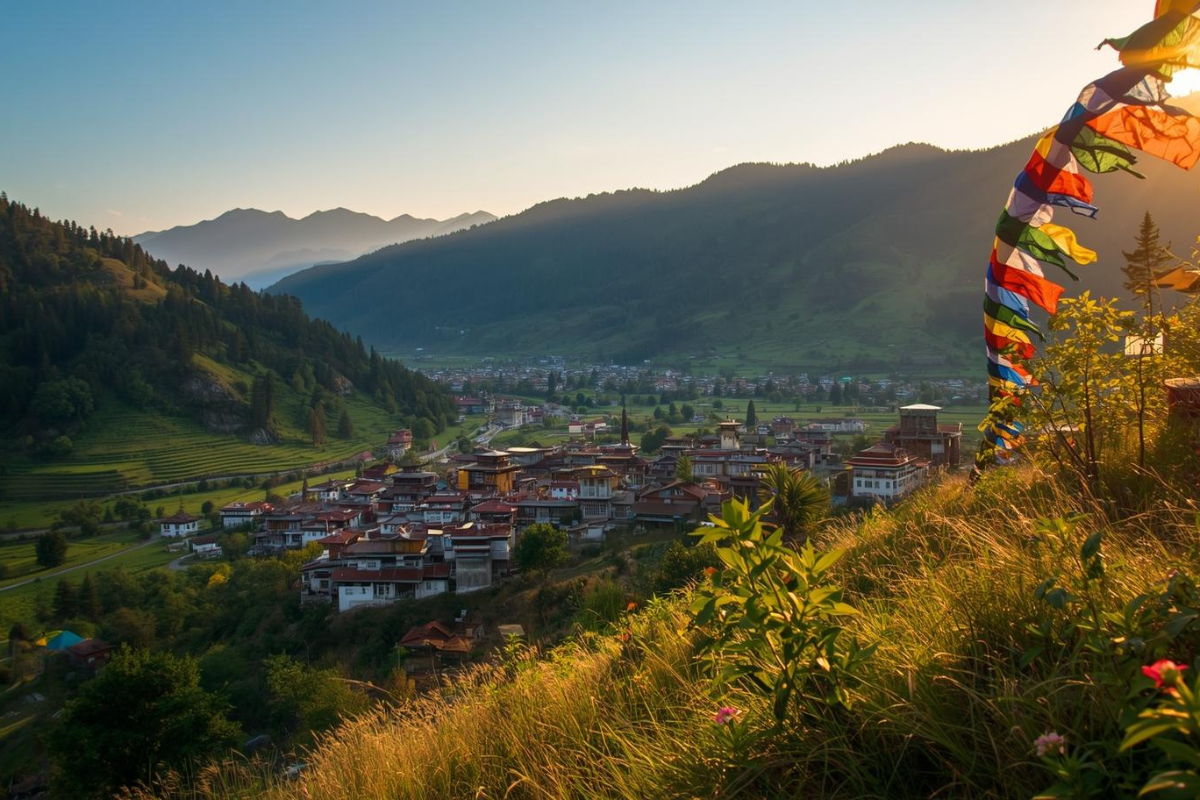
Bhutan enjoys four distinct seasons, each with a completely different mood, atmosphere and rhythm. Understanding these seasonal personalities helps Australians choose the best time to experience the kingdom in a way that matches their interests whether that’s trekking, photography, festivals or quiet cultural exploration.
Spring (March to May)
Spring is often considered one of Bhutan’s most enchanting seasons, and it’s easy to see why. As winter melts away, the entire country awakens with colour, warmth and renewed energy. This is a time when nature feels alive, and every valley seems to be celebrating its own quiet festival of blossoms.
What spring looks like:
- Valleys burst into life with wildflowers, turning hillsides into vivid carpets of colour
- Rhododendron forests which Bhutan is famous for bloom in shades of pink, crimson and snow white
- Temperatures remain pleasantly mild, making outdoor sightseeing incredibly comfortable
- Longer daylight hours give travellers more time to wander, hike and explore at an unhurried pace
Spring experiences Australians love:
- Wandering through flower filled valleys that look almost unreal
- Bird watching, especially in eastern Bhutan where rare species are more visible during this season
- Visiting monasteries framed by bright blossoms, creating a serene and picture perfect atmosphere
- Joining Paro Tshechu, one of Bhutan’s most iconic festivals, filled with masked dances and cultural performances
Spring in Bhutan feels both energising and calming. For travellers who love a balance of nature, culture and soft adventure, it offers one of the most rewarding travel experiences.
Summer (June to August)
Summer introduces the monsoon season an element of Bhutan’s charm that many travellers overlook. While rains are common, they often fall in short bursts rather than long downpours, leaving behind misty landscapes and lush, emerald scenery that feels serene and deeply atmospheric.
What summer feels like:
- Gentle, intermittent rainfall that cools the valleys
- Hills and terraced rice fields glowing in rich shades of green
- Fewer crowds at temples, towns and viewpoints
- Cool, refreshing mornings and evenings that invite slow exploration
Reasons Australians might enjoy summer:
- Lower tourist numbers mean more peaceful travel experiences
- Travel costs tend to be more budget friendly, with more availability in accommodations
- Photographers love the interplay of mist, clouds and greenery, creating dramatic and moody landscapes
- Rural life is at its most vibrant, with farmers tending to rice paddies and towns embracing their monsoon rhythm
Although heavy treks are limited due to wet trails, summer is perfect for Australians seeking tranquillity, authenticity and a gentler pace. It offers a side of Bhutan that feels deeply local and untouched by mass tourism.
Autumn (September to November)
Autumn is considered Bhutan’s peak season and for good reason. This period offers a perfect blend of clear weather, cultural celebrations and outstanding mountain visibility. For Australians who dream of classic Himalayan scenery, autumn delivers it in full.
Why autumn stands out:
- Crystal clear skies reveal sweeping views of the Himalayan range
- Daytime temperatures are comfortable, making trekking conditions ideal
- Some of Bhutan’s most important festivals take place during these months
- Valleys turn golden as farmers begin the harvest, giving the landscape a warm and vibrant glow
Autumn experiences Australians adore:
- Trekking the famous Jomolhari or Druk Path routes surrounded by pristine mountain air
- Attending Thimphu Tshechu, a highlight of Bhutan’s festival calendar featuring elaborate dances and traditions
- Taking breathtaking photos of snow capped peaks under bright blue skies
- Exploring villages and monasteries under crisp, sunlit days that feel almost made for travellers
For those seeking Bhutan at its most lively, colourful and visually breathtaking, autumn is the perfect choice.
Winter (December to February)
Winter in Bhutan brings a calm, reflective atmosphere that many travellers find unexpectedly magical. While higher altitude areas see snowfall, the main valleys Thimphu, Paro and Punakha remain accessible and pleasantly sunny during the day.
Winter atmosphere:
- Cold mornings and nights contrast with clear, sunny afternoons
- Dry air and bright skies offer exceptional visibility
- Snow dusts the northern mountains, creating postcard perfect scenery
- Far fewer tourists, creating peaceful conditions at temples and viewpoints
Why Australians might love winter:
- It provides a refreshing escape from Australia’s hot summer months
- Photographers enjoy clear skies and breathtaking views of snow clad peaks
- Travellers can explore at a relaxed pace without tourist crowds
- Winter offers a raw, authentic mood, perfect for deep cultural or spiritual immersion
Winter is ideal for Australians who appreciate tranquillity, clear mountain views and quieter journeys that allow space for reflection and cultural connection.
Best Time for Australians to Travel to Bhutan
For Festivals and Culture
Bhutan’s festivals, known as tshechus, are deeply spiritual events filled with masked dances, religious rituals and vibrant costumes. These celebrations take place at monasteries across the country and are a highlight for many Australians.
Best festival months:
- March and April (spring)
- September, October and November (autumn)
Festivals worth travelling for:
- Paro Tshechu
- Thimphu Tshechu
- Jambay Lhakhang Drup
- Punakha Drubchen
These festivals offer a rare glimpse into Bhutan’s living traditions and community spirit.
For Trekking and Outdoor Activities
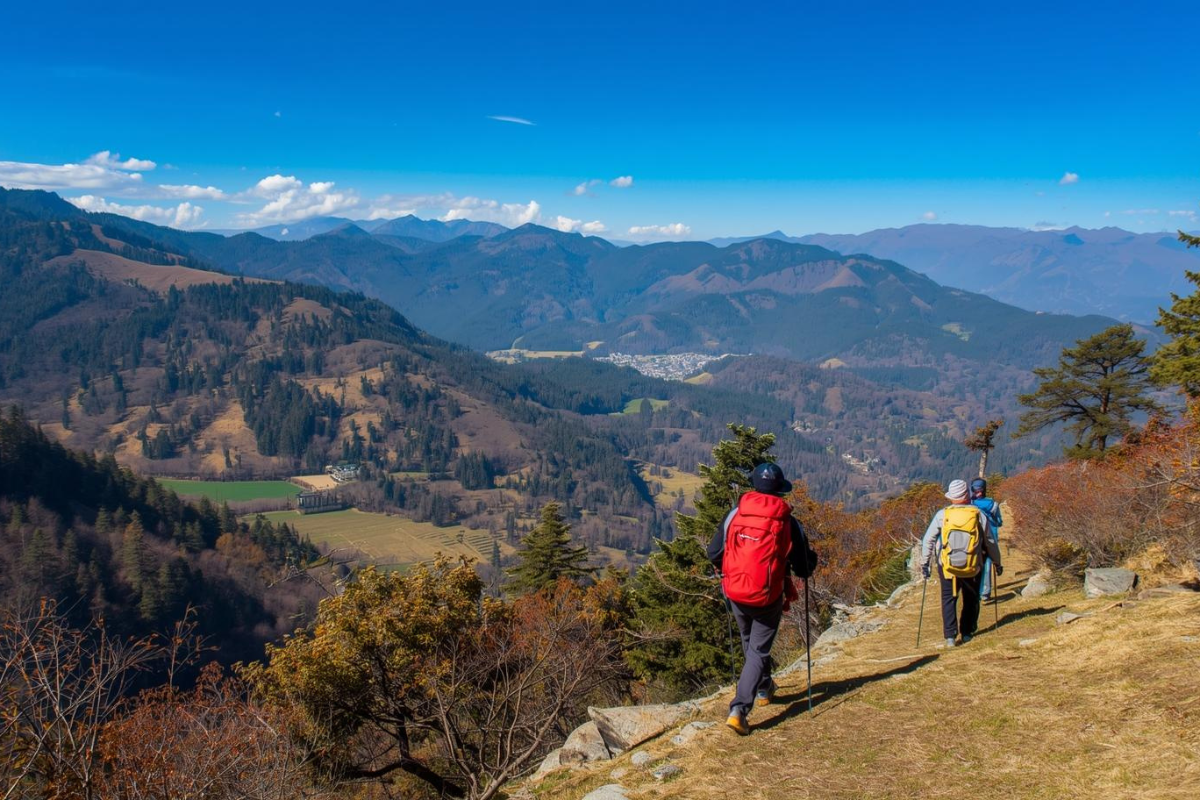
If trekking is your priority, your travel dates should revolve around clear skies and stable trail conditions.
Best months for trekking:
- March to May
- September to November
These seasons provide:
- Comfortable temperatures
- Clear mountain views
- Dry, safe trails
- Ideal conditions for both short hikes and multi day treks
For Photography and Scenic Landscapes
Bhutan is every photographer’s dream, but some seasons offer better lighting and visibility.
Best photography months:
- March to May (colourful landscapes)
- October and November (crystal clear mountain views)
Both seasons offer breathtaking views that feel almost surreal.
For Budget Friendly Travel
If you prefer quieter travel and lower demand, summer and winter provide excellent value without compromising on cultural richness.
Best value months:
- June to August (monsoon)
- December to February (winter)
Expect:
- Fewer tourists
- More flexible bookings
- A more peaceful experience overall
Weather Differences Australians Should Know
Australian travellers should be aware that Bhutan’s weather can be highly variable, especially in its mountainous regions. Even during the same day, conditions can shift dramatically, so careful preparation is crucial. Key considerations include:
Temperature fluctuations: Nights can become surprisingly cold, even in the spring months, so light jackets or warm layers are recommended for evening outings.
Altitude effects: Higher-altitude areas, such as Paro Valley or Bumthang, tend to be cooler than lower-lying valleys, which may be mild or warm during the day.
Rain patterns: Bhutan’s monsoon rains usually occur in sudden bursts rather than continuous downpours, so travellers should carry compact rain gear or waterproof layers.
Seasonal variations: In winter, mornings may be frosty, particularly in elevated regions, but the afternoons often warm up under bright sunshine, creating comfortable conditions for sightseeing.
Layering essentials: Packing clothing that can be layered such as thermal base layers, fleeces, and waterproof jackets is essential year-round to adapt to these rapidly changing conditions.
Being prepared for such variations ensures a more comfortable and enjoyable experience while exploring Bhutan’s breathtaking landscapes.
Travel Tips for Australians Planning a Bhutan Trip
To make the most of your journey to Bhutan, consider the following practical tips:
Book early during peak seasons: Autumn (September to November) and spring (March to May) are the most popular times to visit, and accommodations and tours can fill up quickly. Planning well in advance ensures you secure the best options.
Bring versatile clothing: Layered clothing is essential due to rapidly changing weather. Comfortable walking shoes, a warm jacket, and quick-dry clothing will help you adapt to both cooler high-altitude areas and warmer valleys.
Know your altitude limits: Bhutan’s terrain ranges from low valleys to high mountains. Take the first day slowly to acclimatise, avoiding fatigue or altitude-related discomfort.
Respect temple etiquette: Bhutanese culture places a high value on modesty, spirituality, and respect. Dress conservatively, remove shoes before entering sacred sites, and follow local customs to show courtesy.
Hire a licensed Bhutan travel operator: All international travellers must book through licensed operators, who handle visa arrangements, guided tours, and itinerary planning. This ensures a smooth, stress-free experience while supporting sustainable tourism.
Plan around your interests: Whether your passion lies in cultural experiences, nature treks, or mountain vistas, each season offers unique highlights. Choose your travel time to match your preferred activities for an unforgettable journey.
Final Thoughts
Choosing the best time to travel to Bhutan from Australia is a personal decision shaped by the type of experience you want. Bhutan is beautiful in every season, but the landscapes, festivals and outdoor opportunities differ significantly from month to month. Whether you’re drawn to autumn’s crystal clear skies, spring’s colourful mountainsides, summer’s misty tranquillity or winter’s peaceful calm, you’ll discover that Bhutan has a unique way of touching your heart.
For Australians longing for a journey that feels meaningful, authentic and unforgettable, Bhutan promises an experience that lingers long after you’ve returned home. Whatever season you choose, the magic of this Himalayan kingdom awaits you.